Our Blog

Caring for Your Smile after Invisalign® Treatment

May 23rd, 2018

You went through a lot of effort and work to achieve your perfect smile. You wore your Invisalign aligner trays, brushed and flossed diligently, and now your treatment is done! What happens now?

In order to keep your teeth healthy and beautiful, you should keep several practices in play.

Retainers

Although everyone’s needs are different, many patients require a retainer after Invisalign treatment. If a retainer is recommended by Dr. Mark L. M. Powell, use it as directed. Not wearing retainers could result in shifting teeth and potentially ruin your results.

It’s also recommended that you avoid hard, crunchy foods for the first few weeks as your teeth adjust. For younger patients, retainers are normally worn until the wisdom teeth come in or are extracted.

Brushing and Flossing

It should come as no surprise that flossing should still be done every day to remove plaque, which can develop into tartar or calculus. The build-up can lead to gingivitis and gum disease.

Your gums may be more sensitive for a week or two after your orthodontic work is completed. A warm saltwater rinse may relieve discomfort.

Because your teeth have been protected by your Invisalign aligners and are now fully exposed, they may be more sensitive the first few weeks after treatment. If that’s the case, we can recommend a sensitive toothpaste to relieve your discomfort. If your teeth are stained, a professional whitening treatment may be considered.

Regular Dental Checkups

Regular dental exams ensure your teeth stay healthy for life. Professional cleanings, X-rays, and cavity treatment can be addressed by staying on top of your routine checkups.

If you have any questions about how to care for your teeth after your Invisalign program, please ask our Jenison, MI team. We want you to keep your healthy smile and enjoy the results of your Invisalign treatment.

Caring for Your Invisalign® Aligners

May 16th, 2018

You’ve selected the Invisalign system because of the many benefits Invisalign offers: comfort, convenience, appearance, and even potentially shorter treatment time! And to add to the good news, caring for your Invisalign aligners is easy and uncomplicated. Follow these simple tips to keep your aligners in the best possible shape as you move through the stages of your treatment.

Stay Clean

  • Always brush and floss your teeth before using your aligners so that bacteria and food particles will not have a chance to collect around your teeth while you wear them.
  • When you brush your teeth, be sure to brush your aligners with a separate soft toothbrush and lukewarm water as well.
  • Rinse your aligners whenever you remove them during the day.
  • Soak your aligners as recommended. Use the Invisalign Cleaning System or ask our Jenison, MI team for other suggestions to keep your aligners free from odor and bacteria.

Stay Clear

One of the reasons you chose Invisalign is for an almost invisible appearance. Why take a chance on discoloration or scratches that will make the appliance more noticeable? Here are some common mistakes that can affect the color of your aligners:

  • If your aligner has white spots, that might mean plaque build-up. Always rinse your aligner after you remove it and clean it thoroughly night and morning.
  • Brushing with anything other than a soft brush and brushing too hard can cause scratches in the material which might be noticeable. A gentle touch will work to clean and protect your aligners.
  • Eating with Invisalign aligners can cause staining. More important, it can cause the retention of food particles in the appliance, which can lead to dental problems. Finally, aligners are not meant for chewing—they might be damaged or lose their ideal shape even with soft foods. If you are going to be eating or drinking, take your aligners out, give them a rinse, and brush before you replace them. Or stick with water! Water will have no ill effects on teeth or aligners.
  • Only soak aligners in an appropriate solution. Harsh chemicals, colored mouthwashes, and even some toothpastes can dim or discolor the clear plastic.

Talk to Dr. Mark L. M. Powell about the best products to use and the best methods for taking care of your aligners. After all, making the process of improving your smile as easy and effective as possible is yet another benefit of choosing Invisalign!

Brushing: Before or after breakfast?

May 9th, 2018

In a perfect world, we would all jump out of bed ready to greet the day with a big smile and a toothbrush close at hand to clean our teeth immediately. But if you can’t even find your toothbrush before you’ve had your first cup of coffee, does it really make a difference if you brush and floss after breakfast? Perhaps! Let’s talk biology.

Normal saliva production during the day benefits our teeth and mouths in surprising ways. Saliva washes away food particles to keep our teeth cleaner. It contains cells which combat bacteria and infection. It even provides proteins and minerals to help protect our teeth from decay. But saliva production slows dramatically as we sleep, and the amount of bacteria in our mouths increases. While one of the nasty—and obvious—side effects of bacterial growth is morning breath, there is an invisible effect, which is more harmful. Bacteria in plaque convert sugar and carbohydrates into acids which attack our gums and enamel and can lead to both gingivitis and cavities.

  • If You Brush Before Breakfast

Brushing and flossing first thing in the morning removes the plaque that has built up during the night and takes care of many of the bacteria who are ready to enjoy the sugar and carbs in that breakfast with you. If you brush before eating breakfast, rinse your mouth with water after your meal, floss if needed, and you are good to go.

  • If You Choose to Brush After Breakfast

But if you decide that doughnut simply can’t wait, you should ideally postpone brushing for 20-30 minutes after your meal. Of course, these are minutes in which bacteria can make use of those new sugars and carbohydrates. So why shouldn’t you brush immediately after eating? Many foods and beverages, especially acidic ones such as grapefruit and orange juice, can weaken the surface of your teeth. If you rinse with water after eating and wait at least 20-30 minutes before brushing, your enamel will be “remineralized” (another benefit of saliva) and ready for cleaning.

No matter if you take a “seize the day” approach and brush first thing in the morning, or a “seize the doughnut” approach and brush soon after eating, the important word here is “brushing.” Dr. Mark L. M. Powell and our Jenison, MI team are happy to make suggestions as to the best morning routine for you. One thing is certain: if you give your teeth and gums two minutes of careful brushing and flossing in the morning, you can’t help but start your day off right!

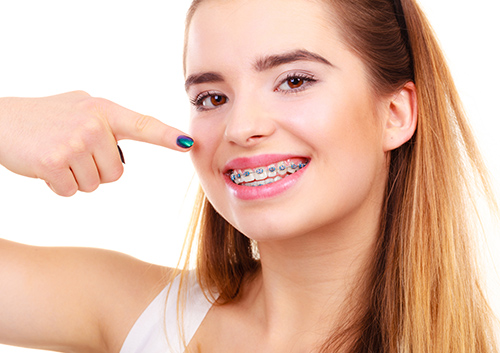
How Braces Can Work at Any Age

May 2nd, 2018

The team at our office loves to help adults achieve straighter teeth and a beautiful smile. If you are considering getting braces, here are some things you’ll need to know.

Can braces work for adults?

The good news is that braces work for just about anyone. There are several different types of braces, howver, and not all of them may work for you. The different kinds of orthodontic treatments include:

  • Ceramic braces
  • Metal braces
  • Self-ligating brackets
  • Lingual brackets (braces behind the teeth)
  • Invisible braces
  • Rubber bands for bite correction
  • Headgear and other appliances

Schedule a consultation with Dr. Mark L. M. Powell, and we can help you determine the best option for your needs.

How do I get started?

We understand that braces can be a daunting prospect for many individuals. They may appear expensive and time-consuming; however, the process can be relatively pain-free! Here are the first steps you need to take on the road to straight teeth.

You will probably have a lot of questions and concerns before starting. Here are a few questions you should ask:

  • What kind of braces do you recommend for my teeth?
  • How long will the treatment take?
  • How often will I need to come in for adjustments?
  • What is the total cost of the treatment? Do you accept insurance? Will you require the full amount up front, or do you have payment plans?

During your first meeting with Dr. Mark L. M. Powell, we’ll take some X-rays and molds of your teeth to help you determine your best treatment plan. To ensure your treatment is as effective as possible, we may include preliminary dental work before your braces are placed.

After you’ve chosen a treatment plan and undergone any necessary prerequisite dental work, you’ll be on your way to a better smile! Call our Jenison, MI location so you can get started today!