February 23rd, 2017
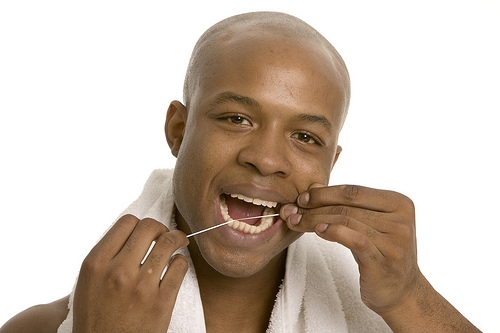
At our office, we prefer our patients to practice good oral hygiene between office visits. Part of that process includes flossing, which Dr. Mark L. M. Powell will tell you, is the process of cleaning between the teeth to remove food and debris from the areas that are hard to reach with a toothbrush. When food is allowed to remain between the teeth, it provides a breeding ground for bacteria, which can cause periodontal disease.
Should you floss before or after brushing?
You can floss either before or after brushing, according to your own preference. By flossing first, you can brush away dislodged food debris afterward. On the other hand, brushing first allows you to loosen plaque between the teeth, making it easier to floss more effectively.
Whichever you choose, the most important goal is to floss thoroughly. That means using a fresh strand of dental floss each day, and carefully pulling it back and forth between all of the teeth. Do not skip flossing because your teeth look or feel clean.
When to Floss
Unlike brushing, you need only floss between your teeth once per day. Although you may choose to do it in the morning or afternoon, many prefer to floss at night to prevent food and debris from remaining in the crevices of the teeth overnight. This could prevent the build-up of plaque too, which is a cause of tooth decay.
Help with Flossing
If you have questions about your flossing technique or what type of floss is best for your teeth, contact our office. Our staff will be more than happy to assist you in perfecting your home hygiene regimen. In most cases, you can choose between interdental cleaning picks or flexible floss strands to perform your daily flossing routine. If you have permanent oral appliances or restorations, be sure to follow the flossing instructions provided to you, and contact our Jenison, MI office with any questions.
February 16th, 2017

All over the Internet you'll find videos and articles showing how you can close the gap between teeth or space them out. There is a plethora of DIY orthodontic techniques out there — you can even mail order your own impressions to get clear aligners, without even seeing a dentist or orthodontist. Following the instructions laid out in these videos and articles (by people who have zero training in orthodontics) is about the worst decision you can make for your overall oral health.
Performing DIY or at-home orthodontia can lead to or cause:
- Loss of teeth
- Infection
- Cavities or infections that are missed or undiagnosed
- Gum damage
Dr. Christina Carter, president of the Northeastern Society of Orthodontists, says that DIY orthodontics can have terrible consequences. She spoke to TODAY about closing gaps between teeth using rubber bands or elastics:
"The teeth are connected to the gums and the blood supply and there is a risk of infection, of tearing the gums which might not heal properly, and a risk of damaging the attachment between the tooth and gums so the tooth no longer gets the support it needs." She also noted, "A simple rubber band can actually slide up the tooth and cut all the attachments to it and you can actually lose a tooth."
One of the worst parts about DIY orthodontics is that you never consult with a trained orthodontist, so you're really operating on a dangerous lack of information. It's best not to risk damage to your teeth or infection. Let Dr. Mark L. M. Powell know what you want to accomplish with your teeth and we will help you find the safest and most cost-effective way to achieve it.
Dr. Mark L. M. Powell want you to be informed and practical about your oral health. Should you have any questions about orthodontic treatment options, please do not hesitate to give us a call at our convenient Jenison, MI office.
February 9th, 2017
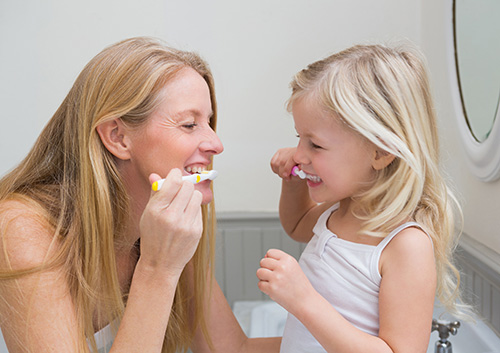
Brushing your teeth regularly is one of the most crucial parts of maintaining good oral health, and perhaps the most fundamental, however, there are also other elements involved. Flossing, for instance, is also vital; some experts would say, and Dr. Mark L. M. Powell and our team would agree, that it holds just as much importance as brushing your teeth. To give you a better idea of why, here are some reasons that flossing is so vital to your oral health.
Getting in-between the Teeth
While brushing your teeth effectively cleans all of the areas of your teeth that are visible, or otherwise not touching, flossing is vital because it reaches all of the areas between your teeth that you cannot see, and subsequently cannot clean using a toothbrush. These areas are among the most sensitive and vulnerable parts of your mouth because they are most susceptible to plaque and tartar buildup.
Reducing Bad Breath
It is not uncommon for someone who brushes their teeth once or twice a day to still have bad breath. The reason being is that bad breath is often created by smelly bacteria that lives in between your teeth, as well as other areas of your mouth that are not accessible using a toothbrush. And that is why flossing is one of the best ways to reduce or eliminate bad breath. Still skeptical? Try flossing your teeth with unscented floss, then smell it after, that awful scent is the source of your bad breath. Coupled with frequent brushing of your teeth, you will find that flossing can really help that stinky breath.
Brushing your teeth twice a day is hard enough, add flossing on top and it can be difficult to establish a regular habit. However, doing so is totally worth it; just look at the aforementioned reasons why. Use these for motivation the next time you don’t feel like flossing, and let us know if it worked at your next visit to our Jenison, MI office.
February 2nd, 2017

Do you ever find yourself gnawing at your nails? Nail-biting is a very common and difficult to break habit which usually has its beginnings in childhood. It can leave your fingers and nail beds red and swollen. But if you think that your nails are the only ones getting roughed up by nail-biting you'd be mistaken—so are your teeth!
According to a study by the Academy of General Dentistry, those who bite their nails, clench their teeth, or chew on pencils are at much higher risk to develop bruxism (unintentional grinding of the teeth). Bruxism can lead to tooth sensitivity, tooth loss, receding gums, headaches, and general facial pain.
Those are some nasty sounding side effects from chewing on your nails. Most nail-biting is a sign of stress or anxiety and its something you should deal with. So what steps can you take if you have a nail-biting habit?
There are several things you can do to ease up on nail-biting:
- Trim your nails shorter and/or get regular manicures – Trimming your nails shorter is an effective remedy. In so doing, they'll be less tempting and more difficult to bite on. If you also get regular manicures, you’ll be less likely to ruin the investment you’ve made in your hands and fingernails!
- Find a different kind of stress reduction – Try meditation, deep breathing, practicing qigong or yoga, or doing something that will keep your hands occupied like squeezing a stress ball or playing with a yo-yo.
- Wear a bitter-tasting nail polish – When your nails taste awful, you won't bite them! Clear or colored, it doesn't matter. This is also a helpful technique for helping children get over the habit.
- Figure out what triggers your nail-biting – Sometimes it's triggered by stress or anxiety and other times it can be a physical stressor, like having hang nails. Knowing what situations cause you to bite your nails will help you to avoid them and break the habit.
- Wear gloves or bandages on your fingers – If you've tried the steps above and they aren't working, this technique can prove effective since your fingernails won't be accessible to bite.
If you're still having trouble with nail-biting after trying these self-help steps, it's best to consult your doctor, dermatologist, or Dr. Mark L. M. Powell. For some, it may also be the sign of a deeper psychological or emotional problem.
Whatever the cause, nail-biting is a habit you need to break for your physical and emotional well-being. If you have any questions about the effects it can have on your oral health, please don't hesitate to ask Dr. Mark L. M. Powell during your next visit to our Jenison, MI office.

 Website Powered by Sesame 24-7™