September 17th, 2015

When beginning orthodontic treatment, most patients ask Dr. Mark L. M. Powell and our team a lot of questions about what to expect, while others choose to just "go with the flow" and leave it to us to build for them a beautiful smile. And for our team at our office, that's understandable.
But for those who do ask questions, two of the ones we frequently hear are "Will my braces hurt?" and "How long will these be on?"
We explain to our patients that despite what they've heard, braces do not hurt when they're initially put on. Yes, you will experience soreness after your braces are placed and when your teeth start to move. Too often, our patients hear horror stories about how much it hurts to get the braces on, so they tend to over-worry. The truth is, after their braces are on, almost all patients say "that's it?" because it's actually easy and painless!
At our office, we answer most of your other questions during your initial exam. When a patient visits our office for the first time, we give him or her a time estimate of how long it will take to achieve their ideal smile. All other questions are answered at the bonding appointment when the braces are placed. We cover all the topics, everything from eating to brushing with braces, but we also know that after your initial appointment, it's natural for you to have questions about your or your child's treatment. And we are always here for you; we are thorough and always try to answer any questions or concerns you may have. As a patient, that's one thing you never have to worry about. You will always know what's going on throughout your orthodontic experience.
September 10th, 2015

Wearing braces limits some of the snacks you can eat. However, you still have plenty of choices for fun and healthy foods that will not harm your braces. You can even enjoy a few crunchy treats as long as you choose them carefully.
Sweet Treats
Puddings provide a sweet and safe snack while you are wearing braces. You can even select flavored puddings such as caramel to satisfy the urge for items you should not eat. They can be purchased already made or whipped up at home. You can even select low-sugar varieties that still taste good. Ice cream and yogurt are also choices; just avoid products with nuts.
Healthy Snacks
Fruits are excellent for a healthy snack. You just need to avoid biting into hard fruits such as whole apples. You can avoid the problem with fruit cocktails packed in water. Cocktails still have the nutritional benefits and flavor, but contain softer pieces. Avoid fruits packed in heavy syrup, though; these tend to have too much sugar.
Crunchy or Salty Snacks
Not all crunchy foods are bad; you just need to limit the crunch. Walnuts are a softer nut that can normally be eaten safely. Small cheese crackers satisfy the need for crunchy and salty. You can also allow pieces to dissolve slightly in your mouth before chewing, to reduce any risk.
Soft granola bars are also an option. Check the granola ingredients to ensure there are no large nut pieces, and brush your teeth afterwards. Otherwise pieces can become stuck in your dental work.
If you have any questions about safe snacks, do not hesitate to ask Dr. Mark L. M. Powell and our staff.
September 3rd, 2015

Labor Day honors the contributions that workers have made to this country, and for many Americans, the holiday is a great time to relax at home with family and friends. But there are quite a few people who celebrate the holiday by getting out of town, with an estimated 33 million people traveling more than 50 miles over Labor Day weekend each year. If you’re dreaming of a great Labor Day escape but you’re not quite sure where to go, here are a few ideas from our team at our office to give you some travel inspiration.
Explore a National Park
On a national holiday like Labor Day, it’s only fitting to experience the beauty of America’s landscapes by heading to the nearest national park. If you’re confined to an office most days of the year, national parks can provide a relaxing and scenic escape, whether you’re by yourself, traveling with a group of friends, or bringing the whole family along. Depending on how close you live to the nearest park, you can stay for an afternoon or for longer than a week. With 58 parks located in 27 states, there are plenty of beautiful areas to choose from.
Chow Down in a BBQ Haven
Barbecuing is a popular Labor Day activity, but instead of sweating over your own grill or oven, try visiting one of the country’s BBQ capitals. U.S. News and World Report names Memphis as the top BBQ destination, with more than 80 BBQ restaurants in the city, most notably Corky’s BBQ and Central BBQ. Kansas City is also known for the sweet taste of its sauces, while central Texas is said to have perfected the technique of smoking tender and flavorful brisket.
Relax on the Beach
Many people think of Labor Day as the unofficial start of fall, which brings cooler temperatures, more rain, and for many people, an end to lazy days at the beach. End your beach days with a bang by taking a trip to one of the coasts or to a lakeside beach. For an added dose of festivity, find a city or town that celebrates the occasion with a fireworks display over the water.
Whether you’re looking to turn your getaway into a full week affair or you simply want to experience a quick escape, make the most of your holiday by changing your surrounding scenery. Happy Labor Day from the orthodontic practice of Dr. Mark L. M. Powell!
August 27th, 2015
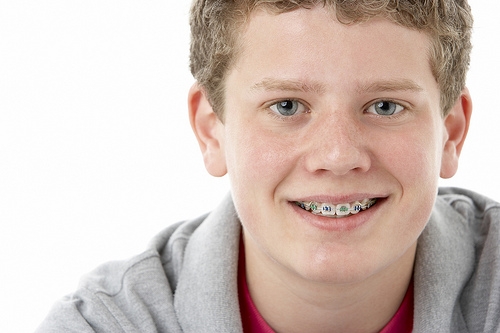
One exciting part about wearing braces from our office is getting to choose the colors of your rubber bands. Orthodontists place elastic bands, or ligatures, over each bracket to secure the archwire in place. These rubber bands may be individual or connected, depending on your mouth’s needs. From Dr. Mark L. M. Powell, you have the option of choosing the color of your elastics, which are changed about once every month at every visit. Our offices keep a color wheel handy to help you choose which ones suit you best!
Children and teens often enjoy picking different colors each month to express their creativity and coordinate their braces with outfits. Decorating your mouth with your favorite colors is fun for kids and takes some of the stress out of wearing braces. Adults who wish for subtlety have color options that blend in with the metal brackets and archwire. Common choices for adults include silver, clear, and gray tones.
Common Color Combinations for Rubber Bands
With individual ligatures for each bracket, you may choose different color combinations for special events. You can have alternating colors or place an entire rainbow over your teeth. Here are a few options to consider:
- School spirit colors
- Favorite sports team colors
- Patriotic colors
- Holiday themes
Some patients choose only one color to match their mood, personality, or favorite outfits. The palette of choices allows you to make bold statements with your braces or go for subtler tones that blend in with the metal structures. Keep in mind that bright colors make your teeth look whiter, while lighter shades, such as yellow and white, may cause your teeth to appear less bright.
What Your Rubber Band Color Says About You
- Red tones indicate that you are ready for action and take charge of your life with aggressive, forward-thinking steps.
- Blue tones are calm and relaxing. You are conservative and exhibit integrity when dealing with situations.
- Green tones represent growth and balance. You are level-headed and look for opportunities to grow emotionally and spiritually.
- Purple tones attract creative energies. You like to have fun and use your imagination in every aspect of your life.
- Orange tones indicate that you are optimistic and thrive in social situations where communication is open.
- Pink is a romantic color that represents a caring personality. You also enjoy having fun with silly games and endless laughter.


 Website Powered by Sesame 24-7™